Parent education information
Categories

Resource On Parent Education

How should I choose between morning and afternoon kindergarten classes?

How should I choose between morning and afternoon kindergarten classes? Source : Registered Educational Psychologist, Pang Chi Wah Even if approximately seven to eight out of ten parents prefer morning classes for their children, some may still opt for afternoon classes. When children wake up and leave for school together with their parents, they can take naps, which may lead to better learning. Generally, there are higher expectations for children attending morning classes, but what issues might they encounter? However, young children, especially those in K1 or N1, may have longer sleep times. Therefore, they may experience emotional issues when getting up in the morning. In such cases, parents should choose afternoon classes for their children, even if they are reluctant. It’s not because you couldn’t secure a spot in the morning class but rather a deliberate choice. The reason for this choice might be that both parents finish work very late, possibly returning home after 7 p.m., and then spend time with their child until midnight. Quality family time is precious. Do you value study time more or family time more? Sleeping until 11 a.m. the next day is not much different from taking an afternoon nap, as it amounts to a full 10 hours of sleep from midnight to 10 a.m. In other words, even without an afternoon nap, there is enough sleep quality and sufficient family time. If you’ve applied for morning classes and your child is unwilling to wake up early, they will need to gradually

閱讀更多
Read More

Everyday life is full of eye use. Adults and children do eye exercises together.

Everyday life is full of eye use. Adults and children do eye exercises together. Source : Chinese Medicine Practitioner, Chiu Shi Cheung Many children today spend a lot of time looking at computers, phones, or reading, which can strain their eyes. There are some acupoint massages that can help children relieve eye strain. The first acupoint we’ll introduce is the “Zan Chuk” point. It’s located at the very front end of the eyebrows, about half an inch downward, at the corner of the eye socket. Another acupoint is called the “Jing Ming” point. It’s located at the side of the nasal bridge, right in the middle between the two eyes, near the inner edge of each eye. The third point is the “Si Pak” point, which is about 1 inch below the eyes, roughly the width of two fingers apart. It’s in front of the cheekbone, and when you touch it, there should be a slight depression just below the eyes; this is the “Si Pak” point. The last acupoint is the “Shi Chuk Hung” point, located at the very end of the eyebrow. All four of these points can help with dispersing wind, clearing heat, and improving vision. Once we know the locations of these acupoints, how do we massage the eye area? First, let’s start with the first point, the “Zan Chuk” point. You’ll use your four fingers to hold down the eyebrows, and then use your thumb to press on the “Zan Chuk” point. The “Zan Chuk”

閱讀更多
Read More

Being a parent can be stressful; it’s important to manage anxiety promptly

Being a parent can be stressful; it’s important to manage anxiety promptly Source: Psychiatrist Dr. Wong Chun Yin As parents, we have to juggle work and family responsibilities. Under significant stress, it’s easy to experience anxiety. Anxiety is a natural, built-in response, and it can protect us when our lives are threatened. However, excessive worry can lead to physical discomforts like a racing heart, stomachaches, muscle tension, rapid breathing, headaches, trembling hands, sweating, or frequent urination. If not addressed in a timely manner, it can lead to more serious emotional issues and can also affect family relationships. Here are three ways to reduce anxiety symptoms. First is practicing relaxation through deep breathing, using diaphragmatic breathing. Inhale slowly through your nose for a count of 4, letting your abdomen rise for 2 seconds, then exhale slowly through your mouth for a count of 4. Pause for 2 seconds and repeat this process 5 to 10 times. The second method is muscle relaxation exercises. Find a comfortable place to sit or lie down, gently close your eyes, and relax all your muscles. Start by shifting your focus to your feet, tense the muscles in your feet for 10 seconds, and then release. Proceed sequentially, tensing and relaxing the muscles in your legs, arms, neck, and facial muscles. Lastly, there is imagery relaxation practice. In a quiet place, close your eyes and imagine a comfortable setting, visualizing what you see, hear, smell, and feel for 5 to 10 minutes. Gradually return to the

閱讀更多
Read More

Being unfocused when playing with toys, will it make it harder for them to concentrate on learning in the future?

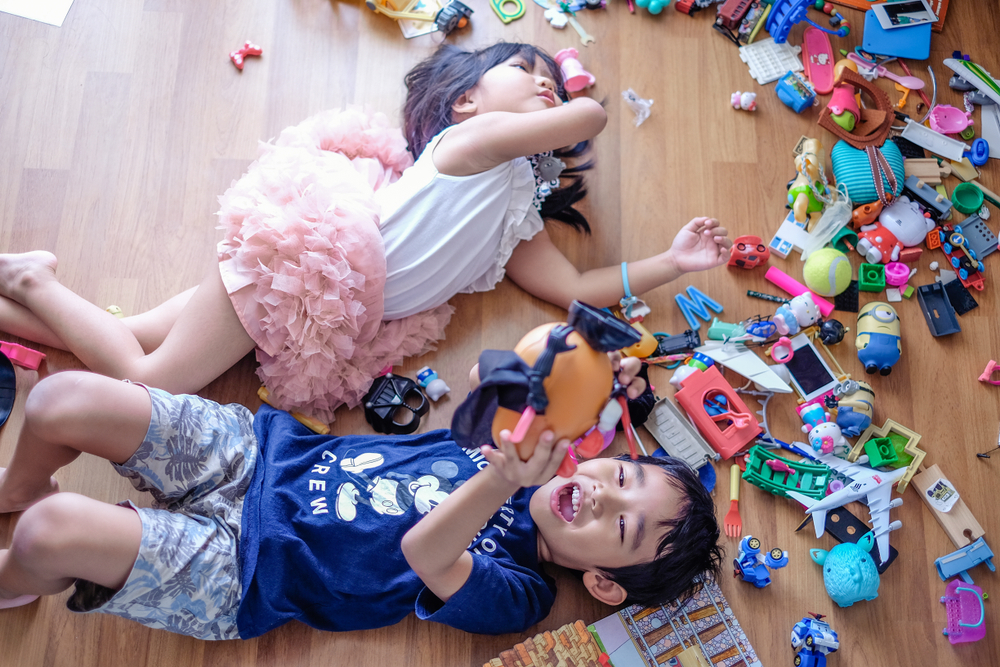
Being unfocused when playing with toys, will it make it harder for them to concentrate on learning in the future? Source : Registered Clinical Psychologist, Yiu Fong Lee Some parents may notice that their children, aged 4 to 5, often have trouble staying focused when playing with toys. For example, they may play with one toy for only 2 minutes before switching to another, and they might take out all the toys in the room without cleaning up afterward. Parents may worry that if their children are so unfocused now, how will they fare in exams or when studying in the future? It turns out that when children’s brain development is not yet mature, their attention span can be a bit short. Research has found that mindfulness can help improve children’s focus, especially by training their frontal lobes, which can enhance their attention and concentration. There are some mindfulness games that can be used as a reference. For example, parents can use certain apps with visual cues. Children can follow these apps, for instance, there might be an image of a balloon that inflates when they breathe in and deflates when they breathe out. This way, by following their breath, children can improve their ability to concentrate. Additionally, there’s a practice called ‘Statue,’ which many parents might remember from their own childhood. In this exercise, children must sit still and watch an app or a timer for a specific duration to see how long they can remain seated calmly. “Then,

閱讀更多
Read More

Happy kindergarten, how about elementary school?

Happy kindergarten, how about elementary school? Written by: Octopus parent, Mr. Leung Wing Lok I’ve heard many parents share their experiences, and within the three years of kindergarten, the biggest concern is the transition to elementary school. How much should be done for the child? Should interview classes be arranged? Should extra English lessons or etiquette coaching (not a typo, there are actually training classes for etiquette) be arranged? Among the myriad of skills, is having sixteen talents out of eighteen enough? Or should the child learn niche skills to stand out, like magic tricks or acrobatics? Both parents and children are busy enjoying quality bonding time, especially when every activity has a purpose. As a result, attitudes change, and the child might lose interest in extracurricular classes. Parents worry about selecting the preferred elementary school and creating resumes. Especially for K3 students entering the “peak school application season” in June, parents and children face the decision of whether to apply to 10 or 8 elementary schools. As a father, you may hope to only apply to one or two preferred elementary schools, but can you bear the responsibility of “not providing enough education” for your child? Another challenge is undoubtedly creating the resume, how elaborate should it be? Many schools explicitly state that they accept a maximum of only 4 pages, but you see other parents’ “work reports” for their children that are as thick as prospectuses, with an exquisite level of presentation rivaling Apple’s brochures. You glance at

閱讀更多
Read More
error: Content is protected !!