October 2025

Why don’t children want to do homework?

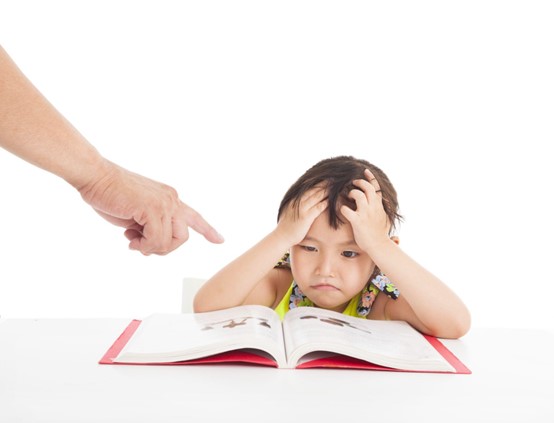
Why don’t children want to do homework? Source: Senior Parenting Education Expert, Bally After school every day, asking children to sit down and do homework is like sending them to war. Usually, there are several reasons why children do not like or do not want to do their homework. How can parents help their children? First, they really do not know how to do it. How can we tell if they really don’t know how to do it? I have found that many children go home and find that 80% of the homework requires parent guidance, so they can’t handle it on their own and naturally wait for their parents to come home. From the parents’ perspective, they will feel that their children do not want to do homework. Second, the child actually understands how to do the homework 80% of the time, but they actually want their parents to accompany them, so they will fight for time with their parents. Once the parents are together, they pretend not to understand. In fact, they are not trying not to understand but are unconsciously hoping for their parents to accompany them and do homework together. Third, they may be too tired. The parents may not have given the children a proper schedule, causing them to do homework in an unfavorable state, which is why they don’t want to do it. If the child does not understand how to do the homework at first, the parents should communicate effectively with the school.

閱讀更多
Read More

What constitutes a language development delay in a child?

What constitutes a language development delay in a child? Source: Speech Therapist, Mok Yee Tuen Typically, babies start making sounds as soon as they are born, such as different crying sounds to express their demands. From 4 to 8 months, they start babbling, which is part of the language preparation period. Children actually go through a ladder of language development, starting with just learning single words and ending with being able to tell stories with their words. Babies from 9 months to 1 year generally start producing their first meaningful word, such as “ba,”  “ma,” or “ball ball.” From 1 to 2 years old, their understanding and vocabulary expression increase greatly, with the accumulation of single words forming two-word phrases, such as “mommy drink” and “eat bun bun.” From 2 to 3 years old, children generally speak in longer sentences and can express different needs. For example, they like to add a word to the two-word phrases, forming three-word combinations, such as “Daddy eat bun” and “I want grandma.” Some children start using adjectives, such as “sister eats a big apple.” Young children generally recognize more different sentences and start using conjunctions after 3 and a half years old, and by 5 years old, they slowly understand how to combine different sentences and use more conjunctions and start to narrate things logically, that is, by telling stories. In fact, the language development of young children is slightly different for each person, but through empirical research, we also have some important

閱讀更多
Read More
error: Content is protected !!